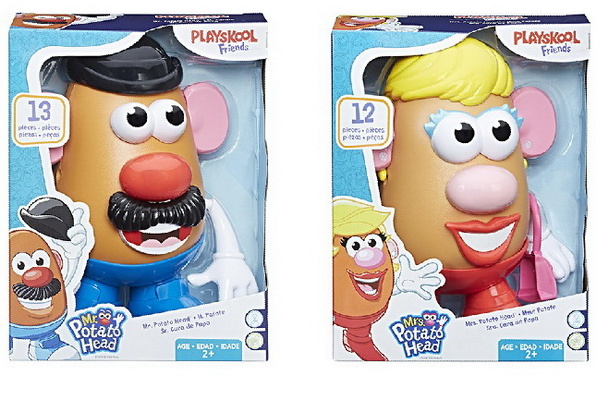
. Only the brand and logo that loses the “Mr.” feature will remain.

These dolls were introduced in 1952 and have been featured in the movie series Toy story, Are among the necessities of American families.
From the plastic potato shape, children are asked to create characters by adding features such as eyes – with eyebrows for Madame Patet, for example – with a mouth, lipstick for Madame – with a mustache, shoes with heels or not.
In the first press release posted on his website on Thursday, Hasbro said he now wants to see everyone in the world of potato heads welcome by officially abandoning the “Mr. Potato Head” brand and logo. With the aim of “promoting gender equality and inclusion”.
But another, less press release replaced it, “The symbolic characters of Mr. and Mrs.To me Potatoes do not appear ”, without specifying what form they are handled.
It also removed the inclusion of a new text or a reference to gender equality, stating that it was “celebrating the different faces of families.”
A spokesman for the group did not respond to AFP’s requests for comment on the reasons for the changes.
In recent years, toy manufacturers have begun to reject traditional toys – starting with toys – as promotional stereotypes of sexual, racist, or traditional “beauty” norms.
“Mixed” toys, especially those intended to avoid stereotypes of the male or female character, are multiplied.
Mattel, the creator of Barbie dolls, is at the forefront, especially with its “Creative World” range, with toys for 8-10 year olds with short bodies and short hair.




More Stories
Taylor Swift Ticket Refund Investigation Offers Insight as B.C. Reviews New World Cup Complaints
Paramount Investor Lawsuit Challenges David Ellison’s Warner Bros. Acquisition Plans
Christopher Nolan Takes on Homer’s The Odyssey in an Ambitious Cinematic Gamble